Launching a podcast takes more than a cool idea and a passion for your topic. It matters a lot what gear you use because great equipment makes your show sound professional and keeps your listeners coming back. Whether you are just starting out or looking for an upgrade, the right gear for your budget can change your podcast's vibe and make production smoother.
Getting Your Podcast Setup Right on Any Budget
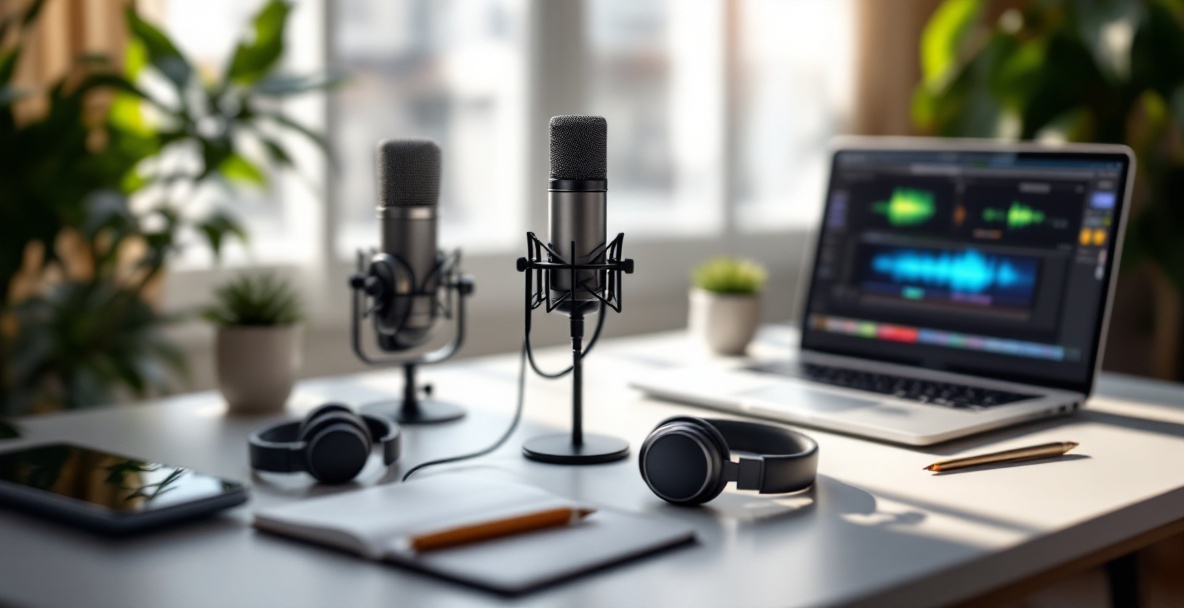
Good gear makes a big difference. What you choose affects your podcast’s sound, and listeners notice when the audio is clear and crisp. Even the best topics can fall flat with poor sound. Some podcasters spend too much on extras while cutting corners on what really counts. Recent studies, such as this industry survey on podcast equipment choices, show that balancing quality with cost helps your show stand out. Clear audio builds a more engaging, professional experience that grows with your audience – making your early choices a smart step for the future.
Starting Out: The Podcast Equipment Essentials
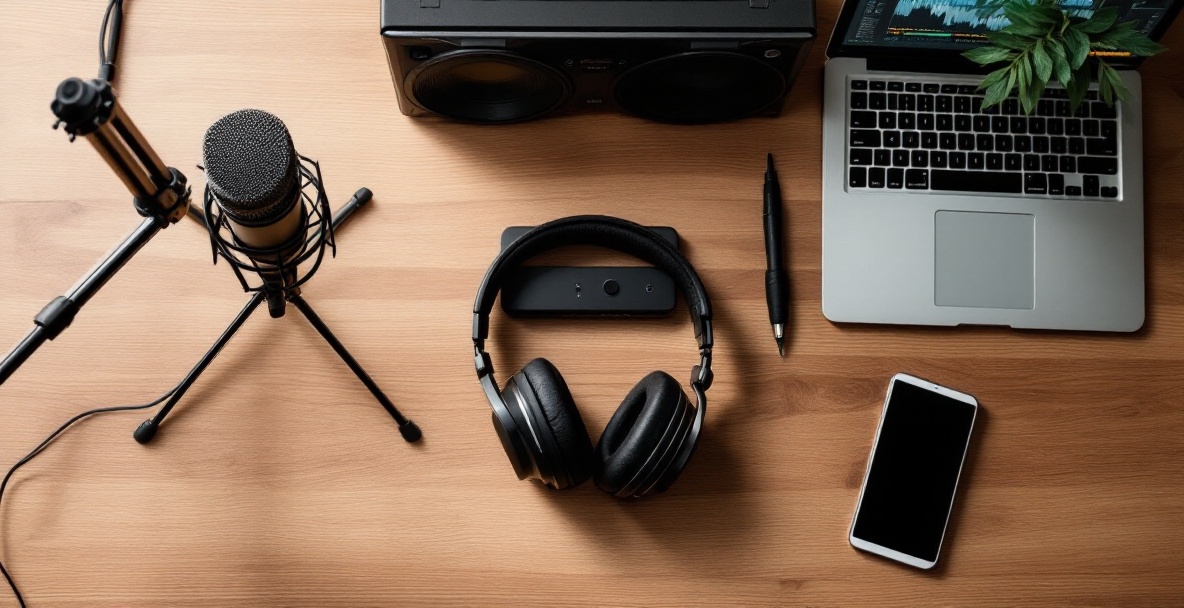
If you're new to podcasting, start with the basics. Knowing what is truly necessary helps you make smart choices without breaking the bank. You can get your show off the ground with just a few essential pieces of equipment that offer great sound without a huge upfront cost.
All About Microphones: What You Need to Know
Your microphone is the heart of your podcast. Today’s budget mics can deliver sound quality that was hard to imagine years ago. When shopping for your first mic, you’ll find two main types: dynamic and condenser. Dynamic microphones work well in rooms that are not fully treated and pick up less background noise, which is perfect for beginners. In contrast, condenser mics capture more details but can also bring in extra room sound if your space isn’t treated. If you are watching your spending, a USB microphone under $100 might be your best bet. Models like the Audio-Technica ATR2100x-USB plug right into your computer and offer both USB and XLR options so you can upgrade later without replacing your mic.
Headphones and Monitoring: Listen to Yourself Clearly
Don’t skip on good headphones when recording. You need to hear exactly what’s being captured, and closed-back headphones are the way to go because they keep the sound in and stop stray noises. A top choice is the Audio-Technica ATH-M50x Professional Monitor Headphones – priced around $150, they give you clear sound so you can catch issues like popping sounds or background noise as you record. They are comfortable enough for lengthy sessions. If $150 is too steep, the Sony MDR-7506 headphones are a trusted studio favorite at under $100. Just be sure to avoid earbuds or open-back designs if you want the sound isolation you need.
Which Recording Software is Best for You?
Start out with simple recording software. Free programs like Audacity come with all the basic recording and editing features that you’ll need to bring your episodes to life. Once you feel more confident with your setup, you can explore options like GarageBand for Mac users or even try subscription tools like Adobe Audition. Building a solid foundation in sound recording is far more important than being overwhelmed by a flood of complex features right away.
Stepping Up: Mid-Range Gear That Balances Quality and Cost
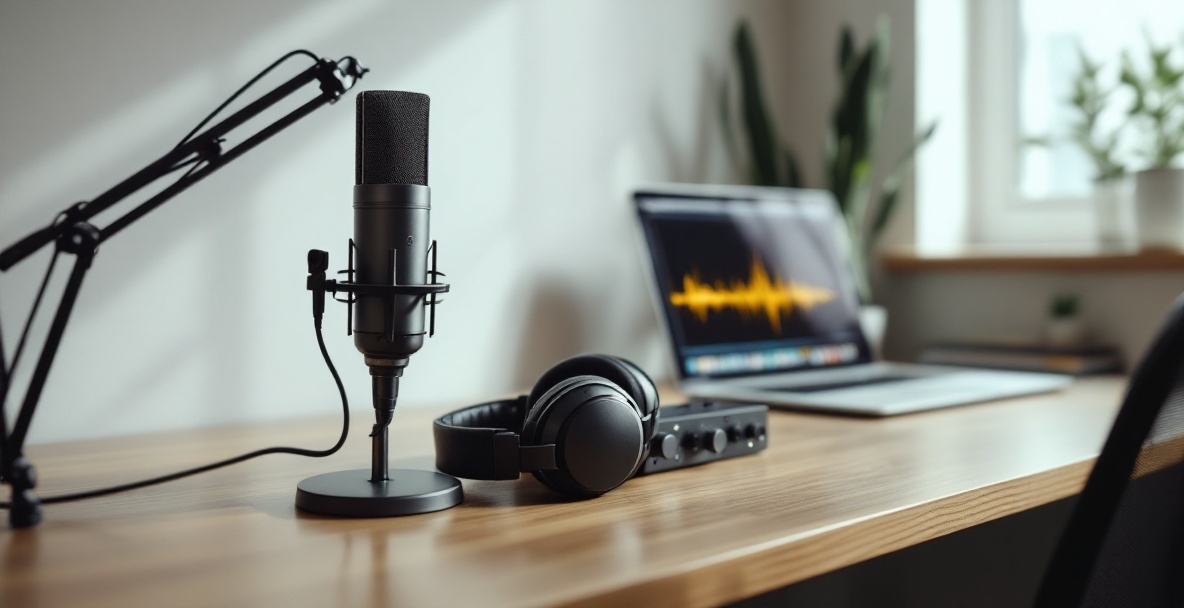
When your podcast begins to grow and you feel ready for a boost, mid-range gear can really up your audio game. Spending around $300 to $700 on your setup can offer noticeable improvements without reaching full studio prices. Upgrading your tools in smart steps makes your show sound more refined without costing a fortune.
A Better Mic: Best Choices That Give You Great Value
In the mid-range category, the Shure SM7B Dynamic Microphone is a favorite choice at about $399. This well-respected mic has been used by top broadcasters, even by legends like Michael Jackson during the recording of "Thriller." It brings out warm, rich vocals and does an excellent job of blocking unwanted background noise. Note that the SM7B needs extra gain, so you will also have to invest in a good audio interface or mixer to get the best performance.
Mixers and Audio Interfaces: Finding Your Best Fit
For a step up from USB mics, the Focusrite Scarlett 2i2 (3rd Gen) Audio Interface is a solid option at roughly $170. It provides two quality preamps, plenty of gain, and low-latency monitoring through a simple USB connection. If you often bring guests into your recordings, the Zoom PodTrak P4 (around $200) is an all-in-one tool with four mic inputs and separate headphone monitoring for each person, plus it even lets you record callers through your smartphone. This gear upgrade makes recording interviews far more convenient.
How to Boost Your Room's Sound
Improving your room acoustics can be a smart, low-cost way to enhance your sound quality. Even a few affordable acoustic panels placed at key spots in your room can cut down on echoes and unwanted noise. You might also try a microphone isolation shield, which usually costs between $50 and $100, to keep background noise from being captured by your mic. These simple fixes can often make a bigger difference than buying more expensive gear, so sometimes tweaking your space is the best move.
Pro-Level Gear: Top Picks for Serious Podcasters
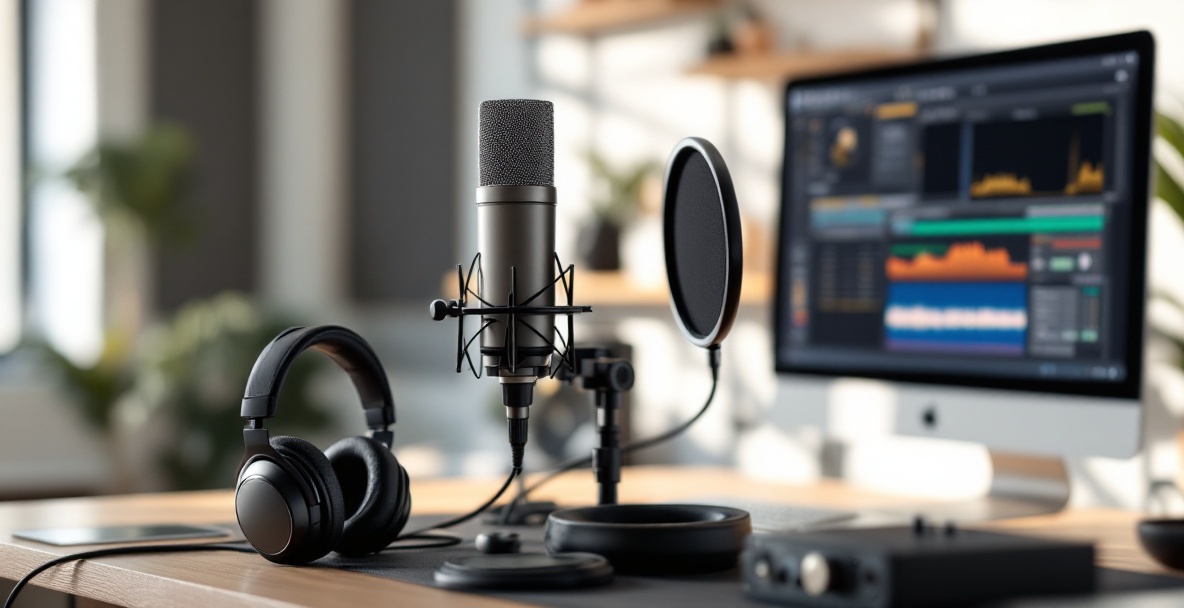
If you’re ready to treat your podcast like a professional studio, high-end gear brings a level of finesse that true fans notice. Investing over $1,000 can give you that extra touch of quality and make your sound really shine. Professional equipment takes subtle improvements to a new level and helps set your show apart.
Top Microphones and Accessories: A Smart Investment
At the pro level, the Electro-Voice RE20, costing about $449, stands strong as a broadcast-quality dynamic microphone with a unique sound and smart technology that cuts out extra noise. For those who like extra detail and have a well-treated space, the Neumann TLM 103 (around $1,100) offers studio-quality vocals with unmatched clarity. Many pros choose these mics because they capture every nuance of the voice. Remember that as you step into this range, supporting accessories become vital. A high-quality shock mount and a sturdy boom arm like the Rode PSA1+ (roughly $130) keep your mic stable and vibration-free.
Next-Level Editing: Software to Make Your Podcast Shine
For a truly professional sound, editing software like Adobe Audition (about $20.99 per month) or Avid Pro Tools (roughly $29.99 per month) gives you all the advanced tools you might need. They offer options for fine-tuning, noise removal, and multitrack recording so your episodes can reach broadcast standards. If you want an all-in-one solution, check out the RØDECaster Pro II at $699. This podcast console features excellent preamps, built-in effects like compression and EQ, and even dedicated sound pads for jingles. Its easy controls make it a hit even for those new to advanced editing.
How to Record with Remote Guests
When you bring guests in from far away, a reliable remote recording platform is a must. Free apps like Zoom may work, but they can lower your sound quality. Services such as SquadCast or Riverside.fm, which cost between $19 and $49 per month, record each guest locally. This means you get crisp, clean audio every time, without the glitches that come with video calls. They even offer video recording, backup options, and separate audio tracks for each speaker, making your job of editing a lot easier. Recent trends show more podcasters are switching to these tools because better sound quality is what listeners expect.
Wrapping It Up: Your Roadmap to Podcasting Success
Final Tips and What to Remember
Picking the right podcast gear does not have to be scary. Begin with what fits your budget, and upgrade bit by bit as your show grows. Always keep in mind that great content is the heart of your podcast – clear sound matters because even the best idea can fall flat with poor audio. Get comfortable with your current setup before adding more, and think about how each new tool will improve your listener’s experience.
No matter your budget, using good technique and setting up your space right is key. Keep a steady mic distance, find a quiet room, and learn some basic editing tricks to boost your sound quality every time.
Ready to take your podcast to the next level beyond just equipment? Visit Castee today to explore our comprehensive podcast marketing solutions that help you grow your audience, engage with listeners, and track your success. We offer specialized tools designed for podcasters at every stage of their journey, from SEO optimization to audience growth analytics that complement your technical setup perfectly.
Leave a Reply