Get Your Podcast in Shape: Why Structure Is Key

Have you ever tuned into a podcast only to feel lost or switch off because it took too long to reach the good stuff? At Castee, we know that having a clear plan is not optional – it is the secret to podcast success. A smart, organized structure takes your listeners on a journey, keeping them hooked from the very first word until your final call to action. Without a solid plan, even the best ideas can lose their spark and let your audience slip away.
A solid plan is the backbone of every unforgettable podcast episode.
Many podcasters pour their energy into creating great content and investing in top-notch gear, yet they often skip planning the episode layout. This oversight can lead to problems like early listener drop-offs, low retention, and the struggle to build a loyal audience. With so many shows competing for attention, a well-thought-out structure can be the difference between a hit episode and one that barely makes a ripple.
Side-by-Side Look: How a Clear Structure Boosts Key Podcast Numbers
| With a Solid Plan | Without a Plan | Listener Benefit | |
|---|---|---|---|
| Average completion | 71% | 43% | Listeners stick around more |
| Time to grab attention | 30-60 seconds | 2-4 minutes | A quick hook avoids early drop-offs |
| Episode rating | 4.7/5 | 3.9/5 | Clear plans earn better reviews |
How Your Plan Shapes the Listener Experience
How your episode is organized has a huge impact on how things are received. When your content follows a natural, easy-to-follow route, your listeners can grasp tricky ideas without feeling overwhelmed. A clear setup works like helpful signposts that show your audience exactly where they are in the story. This friendly roadmap makes the listening experience both enjoyable and stress-free.
Podcasts with a steady and clear flow keep people listening longer and see fewer drop-offs.
When listeners know what to expect – maybe a thought-provoking question to start, followed by real insights and a few practical tips – they feel more comfortable and stick around for the whole ride. A good structure not only keeps your regular fans engaged but also welcomes new listeners who might be drawn in by the clear, predictable flow.
Before You Hit Record: Know Your Goals and Audience
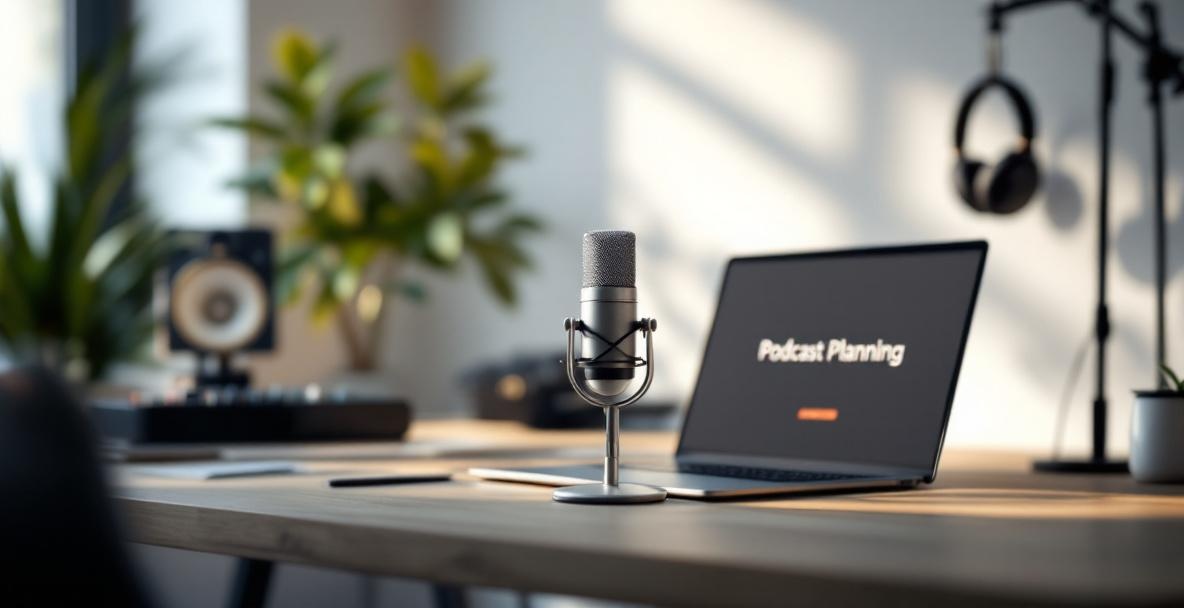
Before you start recording, take a moment to set up your game plan. Top podcasters never jump into recording without first defining what they want to achieve and who they’re talking to. With a clear goal and a good understanding of your audience, every decision you make – from topic choice to pacing – becomes sharper and more effective.
When you know your goal and who you're talking to, your show turns into a focused and fun ride.
Pinning Down Your Episode's Mission
Each episode should have its own clear mission. Decide if you are here to inform, entertain, or maybe introduce a fresh way of thinking. Your purpose is like a compass, guiding what you cover and how long you spend on each point. Many podcasters at Castee find that jotting down their episode’s goal in one simple sentence helps stop the conversation from wandering off track. For example, instead of saying "This episode is about marketing," try "In this episode, I'll share three easy social media tips that small business owners can use right away." A clear mission helps shape both your content and the way you pace your show.
Getting to Know Your Listeners
A winning podcast is built around its audience. Really get to know who they are, what they already know, and what captures their attention. When you create your content with your crowd in mind, every topic feels more relevant, and your delivery becomes more natural. Podcasters who spend time understanding their listeners often see bigger engagement and a more dedicated audience.
Which Segment Length Fits Your Audience?
| Listening Situation | Best Segment Duration | Pace That Works |
|---|---|---|
| Daily Commuters | 7–10 minutes | Brisk, actionable insights |
| Workout Listeners | 10–15 minutes | Motivational, high-energy |
| Focused Learners | 15–20 minutes | In-depth, methodical exploration |
Building Your Episode Blueprint: A Step-by-Step Guide
Creating a standout podcast starts with a clear outline. When you spend a little time planning, your episode flows naturally and keeps your audience interested. A detailed blueprint is like a roadmap that guides you from the very first word to your final sign-off.
A well-planned outline keeps you focused and ensures your message flows smoothly from start to finish.
Sparking Your Best Content Ideas
Begin by jotting down ideas that match your show’s goals and what your listeners care about. Look back at your overall mission and note any topics that spark interest. Many podcasters keep an idea bank – a simple list of questions, current events, or stories that could be developed into full episodes. Try mind mapping your thoughts so you can break that big idea into smaller, engaging parts. Your unique perspective is what makes your show stand out and connects with your audience on a personal level.
Laying Out Your Episode: From Start to Finish
Now that you’ve chosen your topic, sketch out your episode step by step. Start with an intro that grabs attention in the first 30-60 seconds, letting your listeners know why they should stick around. Then, break down the main content into 3-5 key segments so you can explore each point without rushing. Finally, wrap things up with a clear conclusion that sums up your ideas and provides a strong call to action. This roadmap makes sure your conversation flows naturally and keeps your audience engaged throughout.
Capturing Your Listeners' Hearts: Storytelling and Segments

A great podcast does more than share information – it creates an experience that stays with your listeners. Mixing engaging stories with clear segments turns a simple talk into something your audience will remember and look forward to. At Castee, we have seen that blending a personal touch with a smart structure can make your show truly captivating and fun to listen to.
| Element | Storytelling Approach | Straight Facts | Effect on Listeners |
|---|---|---|---|
| Emotional Connection | High – listeners connect with the narrative | Low | Builds loyalty and encourages sharing |
| Detail Retention | 65% remembered after 72 hours | 25% remembered after 72 hours | Stories help details stick |
| Session Length | On average 37% longer | About normal | Keeps listeners tuned in longer |
Weaving a Good Story
A great story can turn a simple idea into something unforgettable. Instead of listing facts alone, share a personal experience that brings your topic to life. For instance, explain how a new marketing trick turned things around for a small business, using vivid details and genuine emotion. This kind of sharing not only makes your point clear but also creates a personal bond with your audience that makes your message resonate.
Sharing personal moments can turn abstract ideas into memorable insights.
Try using a familiar story arc – a clear start, a build-up with some tension, and a satisfying ending. It helps your listeners follow along with ease. When you share both your struggles and successes, you come across as real, and that builds trust with your listeners.
Adding Variety with Different Segments
If every moment of your podcast sounds the same, listeners might lose interest. Including a few regular segments can break up the routine and add fresh energy to your show. Think about adding a short Q&A, a mini-tale, or quick tips that fit with your theme. These shifts help create a lively rhythm and make it easier for your audience to stay focused and engaged throughout the episode.
Perfecting Your Episode: Edit and Refine
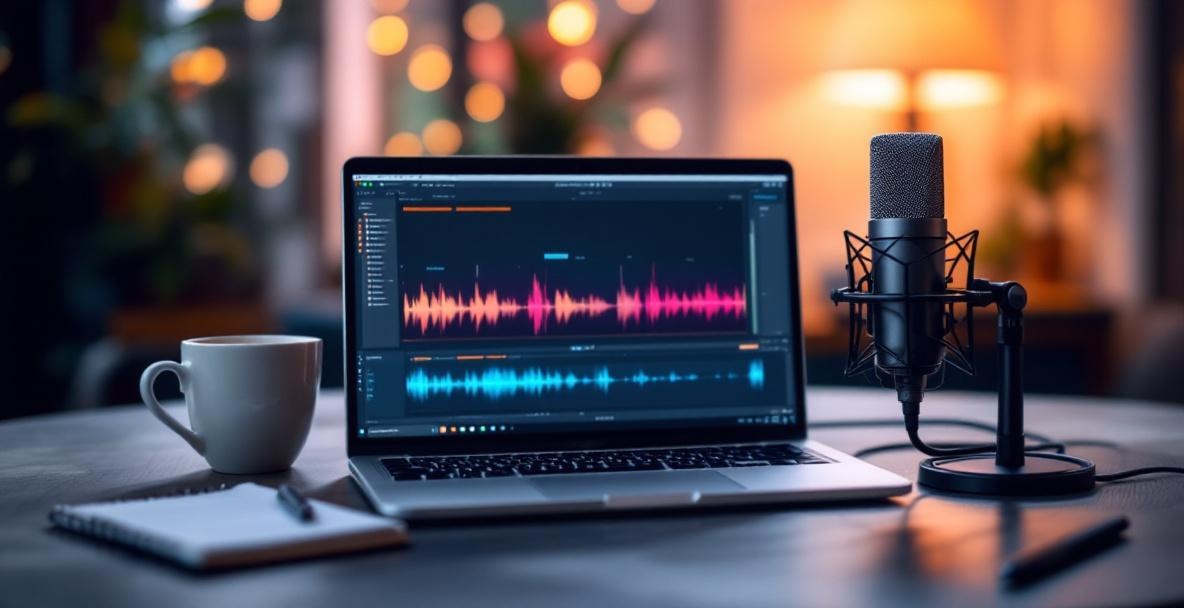
Even the best-recorded episodes need a bit of fine-tuning before they reach your audience. Editing is not just about cutting errors – it smooths out rough patches and makes your message shine. With some thoughtful editing, your podcast sounds both polished and true to your own style, creating a smooth listening experience that keeps listeners coming back.
Good editing means keeping the best bits while trimming the rest so your true voice shines through.
Tips for Smart Editing
Start by listening to your full recording without making any cuts. Make notes of any parts that seem off or could be trimmed. Focus on fixing any spots that stray from your main point before polishing the audio. Once you’re happy with the flow, improve the sound quality by reducing background noise, balancing volume, and trimming long pauses. Keep a natural rhythm – a few quirks in speech help maintain your unique style.
Wrapping It Up: Your Podcast Structure in Action
Turning your ideas into a great podcast is more than following a checklist. It is about crafting a journey that connects with your audience and meets your own creative goals. When you take time to set clear objectives and plan each segment, every episode ends up feeling meaningful and well thought out.
It all starts with knowing your listeners and being clear on what you want to achieve. A solid outline becomes your roadmap, helping you navigate your conversation while giving your audience a clear sense of direction. When you balance precise planning with genuine conversation, your podcast comes across as both professional and approachable.
Ready for Action? Next Steps to Move Forward
- Review your recent episodes with fresh ears to spot what works and what doesn't
- Draft a template outline that you can tweak for future shows
- Try out different segment ideas to see what gets your crowd excited
- Build a pre-production checklist that covers your planning steps
- Ask your listeners for feedback on your episode flow and pace
Begin with small changes rather than a complete overhaul. Your audience appreciates a familiar flow, so evolve your structure gradually. Keep a record of what sparks interest and what falls flat, and create your own playbook as you grow.
Keep Growing and Improving
Refining your podcast is an ongoing effort. The best hosts always find ways to improve their show. Record a quick chat about your plans for the next episode or listen to other podcasts for inspiration. Regular tweaks and honest feedback keep your content fresh and engaging. Let the right tools support your effort, but never lose the personal touch that makes your podcast unique.
Ready to take your podcast structuring to the next level? Visit Castee today to discover how our end-to-end podcast marketing solution can amplify your carefully structured episodes, boost your visibility, and help you build a thriving community around your content. Your perfectly structured podcast deserves the audience it was created for.
Leave a Reply