Kickoff: Crafting Engaging Podcast Interviews
Ever tuned in to a podcast that grabs you right away and holds your attention until the very end? It is not always the star guest or the hot topic that makes the difference, but a host who knows how to spark genuine dialogue that transforms a simple talk into something memorable. At Castee, we have seen that thoughtful preparation and the art of asking real, honest questions can turn an ordinary episode into an experience listeners truly enjoy.
Good interviews are not just about inviting well-known names. A smart host takes a basic conversation and adds energy by drawing out each guest's best stories and ideas. Recent stats from Podcast Insights show that more than 60% of listeners stick around when an interview is engaging and lively. The challenge is not only finding a great guest, but also knowing how to encourage them to share insights and moments that make you want to listen again and again.
"Nailing your interview style can turn an average show into one that truly stands out."
| Element | Regular Podcast | Standout Podcast |
|---|---|---|
| Interview prep time | 30 minutes or less | 60–120 minutes of targeted research |
| Type of questions | Mix of closed and open | Mostly open-ended and story-driven |
| Listener retention (avg.) | 55% | 75% or more |
| Social share rate | 8% | 20% or more |
Why Great Interviewing Matters
Your knack for asking the right questions is more than just a bonus; it is the secret behind a podcast’s success. When you work on your interviewing skills, you build a strong base for your show to grow. A great conversation sparks memorable moments and makes your content easy to share while building trust with your listeners.
How well you steer each interview has a huge impact on keeping your audience tuned in. Through our work at Castee, we see that podcasts with a strong, natural talking style maintain higher engagement. In fact, research from Edison Research's Podcast Consumer report shows that polished interviews can boost listener retention by nearly 45%. This means more downloads, better sponsor chances, and a tighter community around your show.
What You Will Learn Here
In the pages that follow, you will pick up real tips to change the way you do interviews. You will find ways to prepare beyond simple research, discover how to set up a relaxed space for your guest, and learn how to ask questions that bring out unique stories.
We built this guide to help every podcaster, whether you are just starting out or have been hosting for a while. No matter how many episodes you have done, these techniques will boost your content and make sure your listeners come back for more.
After you finish reading, you will have a collection of tried-and-tested tactics for great interviews ready to use. These are proven methods that many podcasters on Castee use to grow their shows. From preparation to follow-up, we will walk you through the process so you can make it work for your own style.
So, let’s get started on changing your interview game. This is your chance to create content that builds a loyal audience and turns your podcast into a must-hear show.
Know Your Listeners: The Key to Great Podcast Content

A great podcast does not come just from asking interesting questions-it starts with understanding what your listeners really care about. We at Castee believe that the very best hosts start by getting to know their audience deeply. This insight creates content that sticks, builds trust, and steadily grows your fan base. When you know who is listening, you can shape your conversations to speak directly to their interests and challenges.
"The best podcast hosts know their audience before they even hit record."
| Research Method | Data Collected | Level of Insight | Best For |
|---|---|---|---|
| Analytics (Numbers) | Downloads, listener location, and rates | Basic trends | Spotting popular episode formats |
| Surveys & Polls (Mixed) | Demographics and content likes | Medium insight | Testing content ideas before show |
| One-on-one Chats (Interviews) | Motivations, worries, and dreams | Deep insight | Crafting focused, unique questions |
Getting to Know Who Your Listeners Are
Good research means mixing numbers with real stories to learn who your listeners truly are. Start by checking the data from your podcast platform or using Castee's growth tools. Look beyond just the download numbers and find out where your listeners are, when they tune in, and what they prefer. Ask yourself which episodes get the best response and why.
But numbers only tell part of the story. Reach out directly to your audience through surveys or casual chats to learn more about their favorite topics and guests. Pay attention to comments, social media posts, and emails to pick up on common questions or ideas. Podcasters who stay connected with their fans build a much clearer picture of what works.
It might help to build simple listener personas that represent different groups in your audience. These profiles let you visualize who you are speaking to and tailor your questions accordingly. For example, if many of your listeners are seasoned professionals, you might dive into deeper insights, while a beginner crowd might appreciate more accessible, fun stories.
Balancing Your Goals with What Listeners Want
When you know your audience, you can match your vision with what they are eager to hear. Each conversation should have a clear goal that reflects both your show’s mission and your listeners’ needs. Do you want to teach, entertain, or inspire? Set these goals well ahead of the recording, but be ready to adjust if your audience steers you in a different direction.
Before every interview, plan questions that connect your aims with what your listeners care about. If research shows they crave actionable tips, ask for clear strategies or advice. If they are in search of inspiration, focus on questions that invite compelling personal stories. Tools from Castee can even help you find trending topics that fit both your vision and your audience’s interests.
The best interviews feel like a natural chat where your listener's curiosity meets your guest's expertise. This balance is not accidental; it comes from thoughtful planning based on who listens to you. When you keep your audience front and center, you create episodes that not only attract listeners but also turn them into loyal fans.
Asking the Right Questions: The Heart of a Great Chat
At Castee, we know that a great chat begins with asking the right questions. Even with a stellar guest, dull questions can drag down an episode. It is all about forming questions that open up real, engaging conversations. Studies from Nielsen's Podcasting Today report even show that well-thought-out questions can boost engagement by 37%. Good questions set the stage for authentic moments that your listeners will remember.
"Good questions lead to genuine moments that really stick with your listeners."
| Question Type | Main Goal | Example Phrase | Possible Drawback |
|---|---|---|---|
| Open-ended | Get them to tell stories | “How did you…?” | Might need extra prompts if it drags |
| Probing | Dig deeper into details | “What led you to that decision?” | May sound too pushy without care |
| Reflective | Encourage thoughtful recall | “Looking back, what changed your view?” | Can become repetitive if used too much |
| Closed (Yes/No) | Check quick facts | “Did you start in 2020?” | Stifles deeper conversation if overused |
Picking the Right Questions
Starting with open-ended questions is key to a lively interview. Instead of questions that can be answered with a simple yes or no, try asking "how" or "why" to invite your guest to share rich stories and details. Many hosts have turned a flat conversation into an exciting chat just by rephrasing their questions. For example, asking "What surprised you the most when writing your book?" adds a spark that a yes/no question never could.
Follow-up or probing questions let you dive deeper whenever you sense there is a hidden story worth exploring. Questions like "Can you tell me more about that?" or "What brought you to that decision?" show you are truly listening and help uncover details that might otherwise be missed. These deeper questions often produce the most memorable soundbites that your listeners will want to share.
Reflective questions allow your guest to look back and connect their past experiences with their current views. When you ask, "How did that challenge change your process today?" or "What advice would you give someone in a similar place?" you invite thoughtful insights that can become the highlight of your show and provide valuable takeaways for your audience.
Staying Away from Question Pitfalls
Be careful not to steer your guest with leading questions that hint at a fixed answer. For example, instead of saying, "Wouldn't you say that podcast marketing is a must?" try asking, "What role does marketing play in growing a podcast?" This keeps things neutral and real.
Avoid asking multiple questions at once. A question like "How did you start your business, what challenges did you face, and what advice would you give?" can overwhelm your guest and result in short answers. Break it down into smaller parts so you can spend time on each topic.
Using too much technical jargon can also put off both your guest and your listeners. Even if your guest is familiar with the terms, heavy lingo may make the conversation feel stiff. The best chats balance clear, simple language with deep ideas that everyone can understand.
Connecting with Your Guest: Keeping It Real
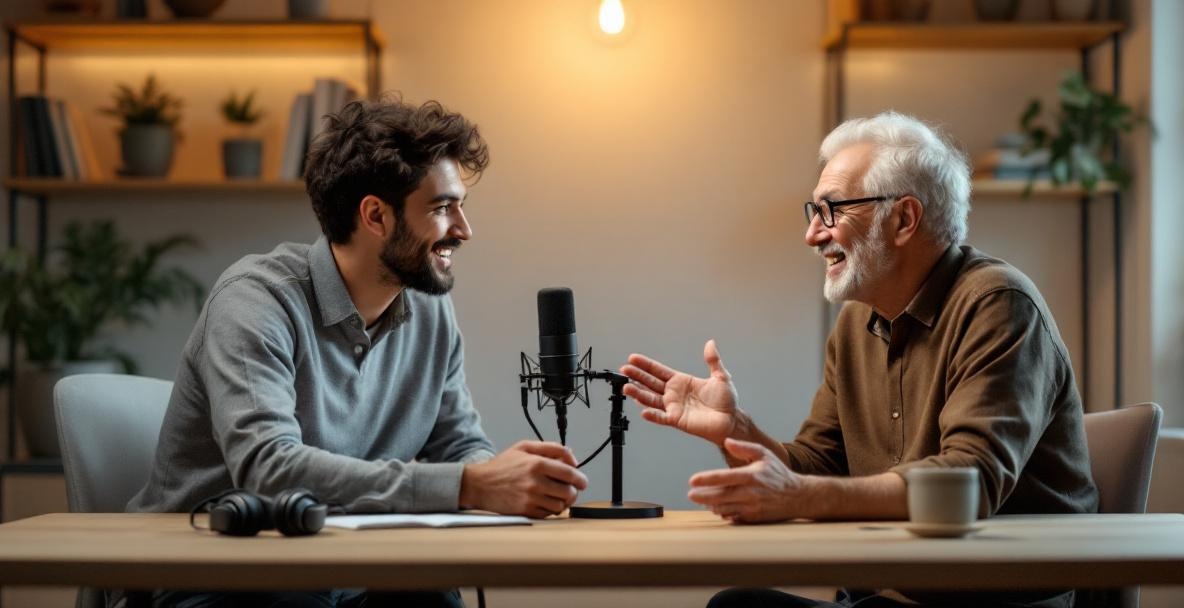
The best podcast conversations feel like a friendly chat between pals rather than a strict Q&A. When you make an effort to connect with your guest, they relax and open up with honest stories and insights that make your episode come alive. This connection is not just about politeness; it is key to turning a standard interview into something truly special.
Getting Ready Before the Interview
Building a genuine bond with your guest starts long before the record button is hit. Spend time learning about them beyond what you see on their website. Check out their social media, listen to past interviews, and explore their work. This extra research helps you ask thoughtful questions that show you appreciate their journey.
A few days before your recording, send a warm, personal email to welcome your guest. Explain the interview format, how long it will take, and any tech details in plain language. You might share a couple of sample questions, but leave room for spontaneity. This small step makes your guest feel at ease and shows that you value their time.
Set aside 10-15 minutes ahead of the interview for a brief, informal chat. This time lets you sort out any tech issues and break the ice. Mention a shared interest or compliment something you truly admire about their work. A short, friendly conversation at the start sets the tone for a natural flow during the recording.
Keeping the Conversation Flow
Kick off the interview with light and easy questions that help your guest get comfortable. Save the really deep or challenging questions until they are warmed up and fully engaged. Listen for moments when their enthusiasm rises and follow that spark, even if it is not part of your original plan. These unexpected paths often lead to the most engaging parts of the conversation.
Really listening to your guest instead of just planning your next question makes a huge difference. Show that you are involved by adding short comments or asking follow-up questions that reinforce what they are saying. Whether through a smile in a video call or a quick "That's interesting" on audio, these little cues build a natural rhythm and invite deeper sharing.
Try to match your guest's energy while keeping true to your own style. Some people thrive with high energy and animated talk, while others prefer a quieter, more thoughtful pace. Watch your body language and expressions because they add a lot to the conversation even over the phone. Balancing a professional attitude with warm, genuine curiosity is a recipe for memorable interviews, as we see at Castee.
Tech Tips for Clear, High-Quality Audio
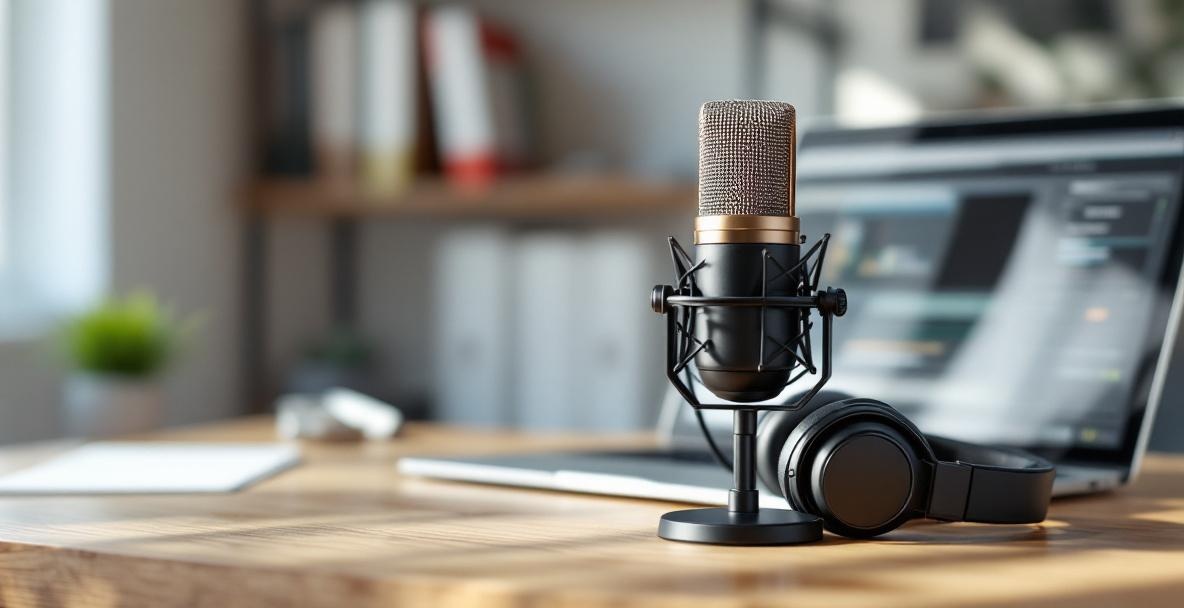
Even the best conversation can lose its magic if the sound is muddy or the edits feel off. We at Castee know that solid technical quality forms the backbone of a show that truly stands out. When your audio is crisp and the editing is smooth, listeners not only stay longer but also come back for more. Let’s dive into some tech essentials to help your podcast move from basic to brilliant.
"Top-notch sound and editing let your podcast really shine."
Picking the Right Gear
You don’t need a Hollywood budget to get great sound. A few well-chosen pieces of gear can make a major difference. For beginners, a USB microphone such as the Audio-Technica ATR2100x or Blue Yeti works wonders compared to your laptop’s built-in mic. If you record remote interviews, a good pair of closed-back headphones helps keep stray sounds away and lets you monitor the audio live.
When your show grows, consider upgrading to an XLR microphone with an audio interface for better sound control. Options like the Shure SM58 or Rode PodMic paired with a Focusrite Scarlett offer professional quality without breaking the bank. Also, think about controlling your recording space with a foam reflection filter or a small sound booth to cut down on echoes and unwanted noise.
For remote guests, preparation is key. Send them a simple guide to gear up properly. Suggest they use wired earbuds with a built-in mic at the very least. We have found that encouraging guests to record in smaller rooms with soft furnishings can greatly boost sound quality even without fancy equipment.
Polishing Your Sound with Smart Editing
Smart editing can take a decent conversation and make it great by shaping the flow while keeping it natural. Start by trimming long pauses, fillers like "um" or "uh," and any false starts, but keep some natural breaks to maintain the personality of the conversation. Finding the right balance is key.
Edit for a smooth, natural rhythm so that your listeners can easily follow along. Pay attention to topic shifts and use those moments to tighten up the discussion. A handy trick is to listen to your episode while doing another task, like washing dishes, which can reveal spots that feel slow or off without you even noticing during the recording.
Try small audio enhancements such as normalization to balance the volume between you and your guest, and use a light touch of compression to lift quieter parts without increasing background noise. For those new to editing, programs like Audacity (free) or Adobe Audition offer helpful tools. At Castee, we see that hosts who develop their own editing style end up with a sound that is both professional and full of character.
Wrapping It Up: Boost Your Podcast with Great Interviews
Throughout this guide, we have talked about the key pieces that make podcast interviews truly memorable. Great interviews are more than just throwing out questions-they create an experience that speaks to your listeners and lets your guest shine. The process takes care, attention, and a bit of technical know-how.
We began by focusing on the importance of knowing your audience inside and out. This approach lets you shape episodes that speak directly to what they care about. Your listeners come back because they trust your view and enjoy the unique conversations you create. When you put their needs first, your content earns loyalty and gets shared widely.
Asking the right questions is the backbone of standout interviews. Open-ended questions that invite detailed storytelling transform a basic conversation into something special. Use your questions to draw out insights your guest might not share anywhere else, turning your podcast into a destination for fresh ideas.
Connecting with your guest is just as crucial. When your guest feels comfortable, their responses come off as genuine and engaging. Pre-interview chats, warm welcomes, and a real interest in their background help build a natural flow that resonates with your audience. Trust makes way for stories that might otherwise stay hidden.
The technical side may seem like a small detail, but it is vital to a polished presentation. Even the best conversation loses its impact if the audio is unclear or if there are glitches. Spending time on your setup, ensuring a proper recording environment, and having a backup plan means your hard work shines through.
Putting It Into Action
Now comes the fun part – trying these ideas for yourself. Look over your current interview style and pick one or two changes you can start right away. Maybe you find it helpful to spend a bit more time researching your guest, adjust your question style, or even fine-tune your equipment. Small tweaks can quickly lift the quality of your podcast.
You might want to create a pre-interview checklist that includes your research notes, your prepared questions with follow-up options, technical checks, and tips for building rapport with your guest. With this simple framework, you can focus more on the conversation rather than worrying about each small detail.
Feel free to experiment with different approaches. Every podcast has its own flavor, and tailoring these ideas to match your unique style can help you develop a signature interview method that sets your show apart.
Keep Getting Better
Becoming a great interviewer is a journey that never really ends. Every conversation is a chance to learn and improve. Make it a habit to listen back to your episodes and spot the moments that felt right or areas that could use a tweak.
Ask for honest feedback from trusted colleagues, your listeners, or even your guests. Their insights can highlight what might need a small change and spark ideas you had not thought of. The podcast community is friendly and always willing to help each other succeed.
At Castee, we know that using these tips can boost not only the quality of your shows but also the growth of your audience. Hosts who stick with these methods often see more consistent listener retention, increased sharing, and plenty of positive reviews.
Ready to elevate your podcast interviews and grow your audience? Visit Castee today to discover how our end-to-end podcast marketing solution can amplify your improved content, boost your visibility, and help you build a thriving community around your show. Your journey to podcast excellence doesn't end with great interviews – it continues with strategic promotion that puts your best work in front of the right listeners.
Leave a Reply